
Why LVT and LVP Flooring is the Smart Choice for Homeowners
Updated: Feb 17
Understanding LVT and LVP Flooring: The Smart Choice for Your Home
If you’ve ever checked out home-renovation videos or blogs, you’ve likely come across one thing that keeps popping up: LVT and LVP Flooring. These stand for Luxury Vinyl Tile and Luxury Vinyl Plank, respectively.
These modern vinyl floors have quickly become popular among homeowners. They combine the look of high-end flooring with the durability and practicality of vinyl. This gives you a stylish surface that can endure pets, spills, and the everyday hustle and bustle of life. For easy reference, LVP is the ‘wood-look’ version that mimics hardwood planks, while LVT is the stone or ceramic-look option. Thanks to high-resolution imaging and textured surfaces, these floors are nearly indistinguishable from real wood or tile once installed. However, unlike those materials, LVT and LVP are softer, warmer, and much more resistant to moisture and temperature changes.
Why Should You Consider LVT/LVP?
Now, you might be thinking, "That’s all well and good, but I’m not in a hurry to change or update my flooring." Fair enough! But let’s explore why it’s a good idea to know about LVT and LVP, especially if you’ve dealt with foundation repairs or the possibility of future shifting.
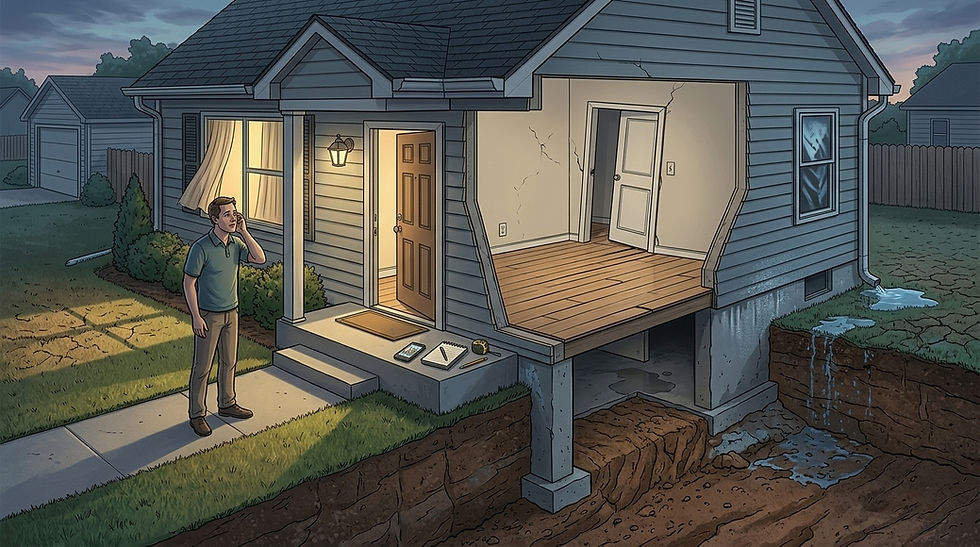
When foundation issues arise, the flooring you choose becomes crucial. Homes with foundation problems often experience symptoms that directly impact flooring. Cracks, uneven subfloors, moisture intrusion, and movement over time are common. When dealing with materials like hardwood or ceramic tile, they can become an expensive liability.

Key Benefits of LVT and LVP Flooring
Here are some important points to keep in mind about LVT and LVP flooring:
Resistance to Minor Movement
LVT and LVP are more resistant to minor movements compared to wood or tile. Rigid floors can crack, separate, or buckle with even slight foundation shifts. In contrast, LVT and LVP are flexible and forgiving. They tolerate slight unevenness and minor future movement, giving you peace of mind knowing you won’t be gambling away a few grand on a floor that could fail after the next rainy season.
Ideal After Foundation Repairs
After foundation repairs, a home needs time to settle into its new position. This means more small adjustments, which can be a nightmare for rigid flooring. LVT and LVP floors—especially floating click-lock systems—can shift microscopically with the structure without cracking or warping. This makes them one of the most post-repair-friendly flooring choices available.
Cost Savings
By avoiding premature damage, LVT and LVP can save you money. These materials significantly reduce the risk of post-installation damage, meaning fewer repairs and replacements down the line.
Perfect for Moisture-Prone Areas
If your home has a history of moisture problems, LVT and LVP are ideal choices. Most products are waterproof or highly water-resistant, making them smart options for homes built on concrete slabs. Pairing them with proper underlayment or vapor barriers adds another layer of protection.
Works on Imperfect Subfloors
After foundation repairs, homeowners often find their floors aren’t perfectly level. Tile requires near-perfect leveling, and hardwood can’t tolerate dips or humps. LVT and LVP are much more tolerant of slight imperfections, making installation easier and cheaper without extensive floor prep.
Easy Replacement
One huge advantage is that if there’s damage or shifting, you don’t need to rip up the entire room. A simple replacement of the affected plank will suffice!
Long-Term Strategy
In regions where soil movement is common—like areas with high plasticity soils and moisture changes—no foundation will be problem-free forever. Choosing flooring that accommodates these changes is a smart preventive strategy.
The Environmental Impact of LVT and LVP
When considering flooring options, it’s essential to think about the environment. LVT and LVP are often made from recycled materials, making them a more sustainable choice compared to traditional flooring options. Additionally, many manufacturers are committed to reducing their carbon footprint, which is a win-win for your home and the planet.
Maintenance Tips for LVT and LVP
Keeping your LVT and LVP flooring looking great is easier than you might think. Here are some handy tips:
Regular Cleaning: Sweep or vacuum regularly to remove dirt and debris. A damp mop with a gentle cleaner will keep your floors shining.
Avoid Harsh Chemicals: Stick to cleaners specifically designed for vinyl flooring. Harsh chemicals can damage the surface.
Use Furniture Pads: Protect your floors from scratches by placing pads under furniture legs. This simple step can extend the life of your flooring.
Conclusion
In summary, LVT and LVP flooring are excellent options for homeowners dealing with foundation repairs. Whether you’re considering your first home or already living in an area with shifting soils, LVT and LVP are practical and foundation-friendly solutions. They help you avoid costly mistakes and unnecessary stress, offering durability, flexibility, moisture resistance, and cost protection that traditional flooring simply can’t match.
Join us next time as we discuss one of LVT and LVP's most important perks: their DIY friendliness!
---wix---


Comments