
Effective Methods to Repair Foundations
When you notice cracks in your walls, doors that stick, or uneven floors, your home might be telling you it needs foundation help. Fixing a foundation is not just about aesthetics; it’s about safety and preserving your investment. I’ve learned that understanding the right foundation fixing techniques can save you time, money, and stress. Let’s dive into practical methods that work, especially if you live in Texas or the DFW area where soil and weather conditions can be tough on foundations.
Understanding Foundation Fixing Techniques
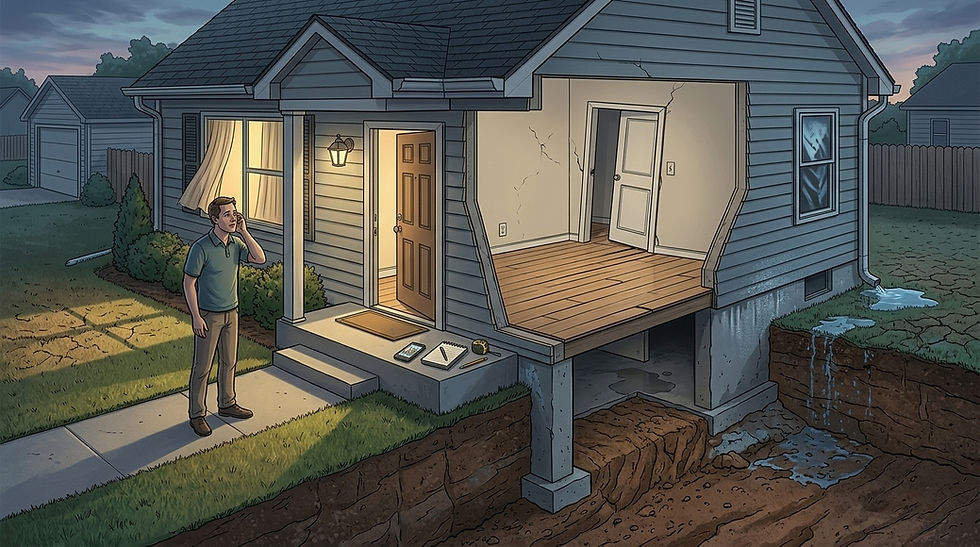
Before jumping into repairs, it’s important to know what you’re dealing with. Foundations can crack or shift due to soil movement, water damage, or poor construction. The good news? There are several foundation fixing techniques designed to address these issues effectively.
Here are some common methods:
Piering or Underpinning: This involves driving steel or concrete piers deep into stable soil to support and lift the foundation.
Slabjacking or Mudjacking: A grout mixture is pumped under a sunken slab to raise it back to level.
Epoxy or Polyurethane Injection: Cracks are filled with resin to seal and strengthen the foundation.
Drainage Improvements: Fixing gutters, downspouts, and grading to prevent water from pooling near the foundation.
Each technique targets a specific problem. For example, if your foundation is sinking unevenly, piering might be the best solution. If you have minor cracks, injection methods can seal and prevent further damage.

What is the Best Foundation Repair Method?
You might be wondering, “What is the best foundation repair method for my home?” The answer depends on the cause and severity of the damage. No one-size-fits-all solution exists, but here’s how to decide:
Assess the Damage: Look for cracks wider than 1/4 inch, doors or windows that don’t close properly, or sloping floors.
Identify the Cause: Is it soil movement, water damage, or poor construction? This will guide the repair method.
Consult a Professional: A foundation expert can perform a thorough inspection and recommend the best fix.
For homes in Texas, especially the DFW area, piering is often the most reliable method. The expansive clay soil here swells and shrinks with moisture changes, causing foundations to shift. Piering stabilizes the foundation by anchoring it to deeper, more stable soil layers.
Slabjacking is a quicker, less invasive option but may not be as durable in areas with severe soil movement. Injection methods are great for sealing cracks but won’t fix structural shifts.
Remember, the best method is the one that addresses the root cause and ensures long-term stability.

Step-by-Step Guide to DIY Foundation Fixing Techniques
While some foundation repairs require professional help, there are small fixes you can tackle yourself to prevent further damage.
1. Seal Small Cracks
Use an epoxy or polyurethane crack filler to seal hairline cracks. This prevents water from seeping in and causing more damage.
Clean the crack with a wire brush.
Inject the filler according to the product instructions.
Allow it to cure fully before painting or covering.
2. Improve Drainage Around Your Home
Water is a foundation’s worst enemy. Make sure gutters and downspouts direct water at least 5 feet away from your foundation.
Clean gutters regularly.
Extend downspouts with splash blocks or pipes.
Grade the soil so it slopes away from your home.
3. Monitor Foundation Movement
Keep an eye on cracks and door/window alignment. Use a level or straightedge to check for uneven floors.
If you notice worsening issues, it’s time to call in the experts.

When to Call the Experts for Foundation Repair
DIY fixes can help with minor issues, but foundation problems often require professional intervention. Here’s when you should reach out:
Cracks wider than 1/4 inch or growing cracks.
Doors and windows that stick or won’t close.
Noticeable sloping or sagging floors.
Water pooling near the foundation.
Signs of structural damage like bowing walls.
Professional foundation repair companies use advanced techniques and equipment to stabilize your home safely. They also provide warranties and inspections to give you peace of mind.
If you’re in Texas or the DFW area, look for companies with local experience. They understand the unique soil and climate challenges here. For trusted, reliable foundation repair, I recommend contacting specialists who can assess your home and offer tailored solutions.
Maintaining Your Foundation After Repairs
Fixing your foundation is just the first step. To keep it strong, you need ongoing maintenance.
Regular Inspections: Check your foundation twice a year, especially after heavy rains or droughts.
Control Moisture: Keep gutters clean and ensure proper drainage.
Landscaping Care: Avoid planting large trees or shrubs too close to your foundation. Their roots can cause damage.
Address Plumbing Leaks: Water leaks can erode soil and weaken your foundation.
By staying proactive, you can extend the life of your foundation and avoid costly repairs down the road.
Taking care of your home’s foundation might seem daunting, but with the right knowledge and timely action, you can protect your biggest investment. Whether you choose to tackle small repairs yourself or hire professionals for major fixes, understanding foundation fixing techniques empowers you to make smart decisions. Don’t wait for problems to worsen - start today and keep your home safe and stable for years to come.


Comments