
Practical House Settling Fixes You Can Count On
If you’ve noticed cracks in your walls, doors that stick, or uneven floors, your house might be settling. It’s a common issue that can cause a lot of worry, but don’t panic just yet. Settling happens to almost every home at some point, and there are practical ways to handle it without breaking the bank or losing sleep. Let’s walk through what’s going on and how you can tackle it head-on.
Understanding House Settling Fixes: What’s Really Happening?
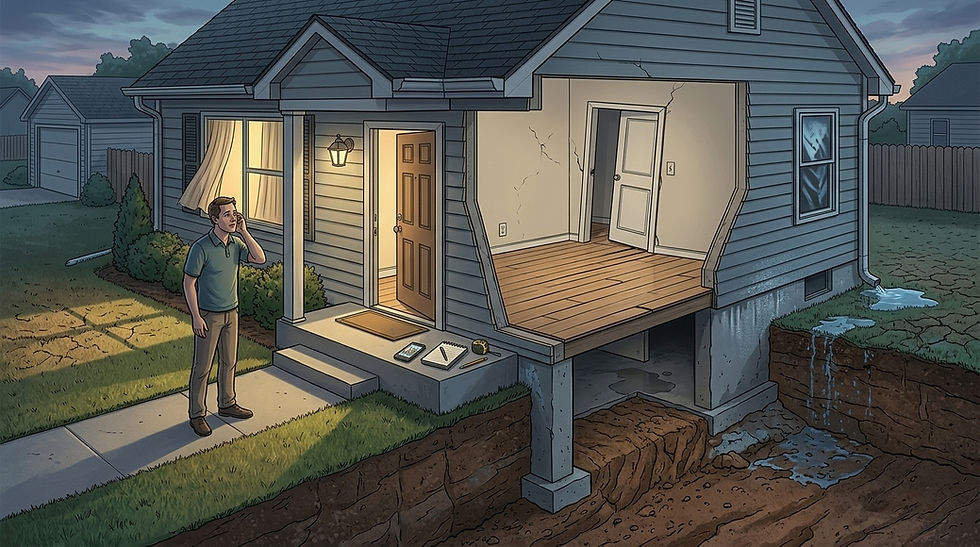
When your house settles, it means the foundation is shifting slightly. This can happen because of soil movement, moisture changes, or even the natural compression of the ground beneath your home. It’s not always a sign of disaster, but it’s something you want to keep an eye on.
You might see:
Small cracks in drywall or plaster
Doors and windows that don’t close properly
Uneven floors or gaps between walls and floors
These signs can be annoying, but they’re often fixable. The key is to understand the cause and act before things get worse.

Common House Settling Fixes You Can Try
Before calling in the pros, there are some simple fixes you can try yourself. These won’t solve major foundation problems, but they can help with minor settling issues.
1. Seal Cracks and Gaps
Small cracks in walls or ceilings can be sealed with caulk or spackle. This stops drafts and moisture from sneaking in and makes your home look better.
Use paintable caulk for cracks around windows and doors.
For hairline cracks in drywall, spackle works well.
Larger cracks might need a patch or professional attention.
2. Adjust Doors and Windows
If your doors or windows stick, it might be because the frame has shifted. You can:
Tighten or replace hinges.
Sand down edges that rub.
Check and adjust the strike plate on door frames.
3. Level Uneven Floors
Uneven floors can sometimes be fixed by tightening loose floorboards or adding shims under squeaky spots. For more serious dips, you might need a professional to assess the foundation.
4. Manage Water Around Your Home
Water is a big culprit in house settling. Make sure your gutters are clean and direct water away from your foundation. You can also:
Grade the soil so it slopes away from your house.
Install downspout extensions.
Fix any leaks in plumbing or irrigation systems.
These steps help keep the soil stable and reduce the risk of further settling.
How to Fix a House That Is Settling?
When minor fixes aren’t enough, it’s time to consider more substantial repairs. Here’s what you can expect when addressing serious settling issues.
Foundation Inspection
Start with a thorough inspection by a foundation expert. They’ll check for:
Cracks in the foundation walls
Signs of water damage
Soil conditions around your home
This helps pinpoint the exact cause and severity of the settling.
Foundation Repair Options
Depending on the problem, repairs might include:
Piering or Underpinning: Installing steel piers or concrete pilings beneath the foundation to stabilize and lift it.
Slabjacking: Pumping a grout mixture under a sunken slab to raise it back to level.
Wall Anchors: Used when foundation walls are bowing inward, these anchors stabilize and straighten the walls.
Structural Repairs Inside the Home
After foundation work, you might need to repair interior damage like cracked drywall, warped floors, or misaligned doors.
Preventative Measures
Once repaired, ongoing maintenance is key. Keep gutters clean, maintain proper drainage, and monitor for new cracks or shifts.

When to Call in the Experts
If you’re seeing large cracks (wider than 1/4 inch), doors that won’t close at all, or noticeable sloping floors, it’s time to get professional help. Foundation problems can worsen quickly if ignored.
Look for companies that offer:
Transparent, engineer-backed assessments
Permanent, innovative repair solutions
Clear communication and trustworthy service
A company like iFix Construction specializes in these fixes, combining technology and expertise to give you peace of mind.
Keeping Your Home Safe and Sound
House settling is a natural process, but it doesn’t have to be scary. With the right knowledge and timely action, you can keep your home stable and comfortable for years to come.
Remember, the best approach is a mix of DIY maintenance and professional help when needed. And if you want to explore reliable house settling solutions, you know where to turn.
Stay proactive, keep an eye on your home, and don’t hesitate to reach out for expert advice. Your house will thank you!
If you want to dive deeper into foundation care or have questions about your specific situation, feel free to reach out. Fixing house settling issues early can save you a lot of hassle down the road.


Comments