
Discover Proven Foundation Repair Methods
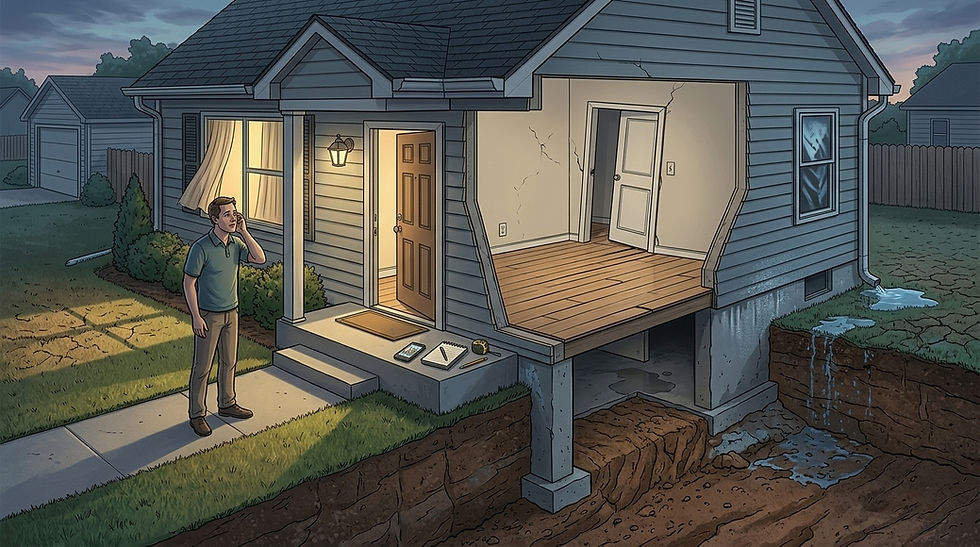
When your home’s foundation starts showing signs of trouble, it can feel overwhelming. Cracks in walls, uneven floors, or doors that won’t close right - these are all warning signs you shouldn’t ignore. But don’t worry. I’m here to walk you through proven local foundation repair methods that work, especially for homeowners in Texas and the DFW area. You’ll learn what to look for, how repairs are done, and what options you have to protect your biggest investment.
Understanding Local Foundation Repair Methods
Foundation problems in Texas often stem from the unique soil conditions here. Expansive clay soil swells when wet and shrinks when dry, putting stress on your foundation. That’s why local foundation repair methods focus on stabilizing the soil and supporting your home’s structure.
One common approach is piering. This involves driving steel piers deep into stable soil beneath your foundation. The piers act like stilts, lifting and supporting your home to prevent further sinking or shifting. There are different types of piers, such as helical piers and push piers, each suited for specific soil and foundation types.
Another popular method is slabjacking (or mudjacking). This technique pumps a grout mixture under a sunken concrete slab to raise it back to level. It’s less invasive and often more affordable than piering, but it works best for smaller, localized settling issues.
Sometimes, foundation repair includes carbon fiber straps. These are applied to cracked or bowing walls to reinforce and prevent further movement. They’re strong, lightweight, and minimally disruptive to your home.

If you’re wondering which method fits your situation, a professional inspection is the first step. They’ll assess soil conditions, foundation type, and damage severity to recommend the best solution.
How to Choose the Right Local Foundation Repair Methods
Choosing the right repair method depends on several factors. Here’s what I consider essential when deciding:
Type of foundation: Is it a slab, crawl space, or basement? Each requires different repair techniques.
Soil conditions: Expansive clay, sandy soil, or rocky terrain all affect repair choices.
Extent of damage: Small cracks might only need minor fixes, while major settling calls for piers or slabjacking.
Budget and timeline: Some repairs are quicker and less costly, but may not be suitable for severe issues.
For example, if your home has a slab foundation with moderate settling, slabjacking might be a quick fix. But if the soil is highly expansive and the foundation is sinking unevenly, piering offers a long-term solution.
Don’t forget to check the contractor’s experience with local soil and climate conditions. A company familiar with Texas foundations will provide more reliable results.
If you’re searching for trusted experts, consider looking up foundation repair near me to find professionals who specialize in local methods and have a strong track record.

Is Foundation Repair Covered by Insurance?
One question I often hear is whether foundation repair is covered by homeowners insurance. The answer isn’t straightforward. Most standard policies do not cover foundation damage caused by normal soil movement or wear and tear. Insurance typically covers sudden, accidental damage like a burst pipe or fire.
However, if your foundation damage results from a covered peril, such as flooding or a natural disaster, your insurance might help. It’s crucial to review your policy carefully and speak with your insurance agent.
Here are some tips to navigate this:
Document all damage with photos and notes.
Get a professional inspection report to support your claim.
Understand your policy’s exclusions and coverage limits.
Consider purchasing additional coverage or endorsements for foundation issues if available.
Even if insurance doesn’t cover the repair, addressing foundation problems early can save you thousands in future costs and protect your home’s value.

Signs You Should Act Now on Foundation Repair
Waiting too long to fix foundation problems can lead to bigger headaches. Here are some clear signs you should act immediately:
Cracks wider than 1/4 inch in walls, floors, or exterior bricks.
Doors and windows sticking or not closing properly.
Uneven or sloping floors.
Gaps between walls and ceilings or floors.
Water pooling near your foundation or in the basement.
If you notice any of these, don’t delay. Early intervention means simpler repairs and less disruption. Plus, it helps maintain your home’s safety and resale value.
When you call a foundation repair expert, they’ll perform a thorough inspection and explain your options. You’ll get a clear plan tailored to your home’s needs.
What to Expect During the Foundation Repair Process
Knowing what happens during foundation repair can ease your mind. Here’s a typical process you can expect:
Inspection and assessment: A professional evaluates your foundation and soil.
Proposal and estimate: You receive a detailed plan and cost breakdown.
Preparation: The work area is cleared and prepped.
Repair work: Depending on the method, piers are installed, slabjacking is done, or wall reinforcements applied.
Cleanup and final inspection: The site is cleaned, and the repair is checked for quality.
Follow-up: Some companies offer warranties and periodic checkups.
Repairs can take from a few days to a couple of weeks, depending on the scope. During this time, you might experience some noise or limited access to parts of your yard, but reputable contractors work efficiently to minimize disruption.
Protect Your Home with Trusted Local Experts
Foundation repair is a serious investment, but it’s one that pays off by securing your home’s future. When you choose local experts who understand Texas soil and climate, you get solutions designed to last.
If you’re ready to take the next step, don’t hesitate to reach out to professionals who specialize in your area. Searching for foundation repair near me is a great way to find trusted companies with proven results.
Remember, foundation problems don’t fix themselves. Act now, and you’ll enjoy peace of mind knowing your home stands strong for years to come.


Comments