
Effective Ways to Fixing Bowing Walls
If you’ve noticed your basement or foundation walls starting to bow inward, you’re probably feeling a mix of concern and confusion. What’s causing this? How serious is it? And most importantly, how do you fix it? Bowing walls are a common issue in many homes, but the good news is that there are effective ways to address the problem before it worsens. Let’s walk through what you need to know and what you can do to get those walls back in shape.
Understanding the Problem: Why Are Your Walls Bowing?
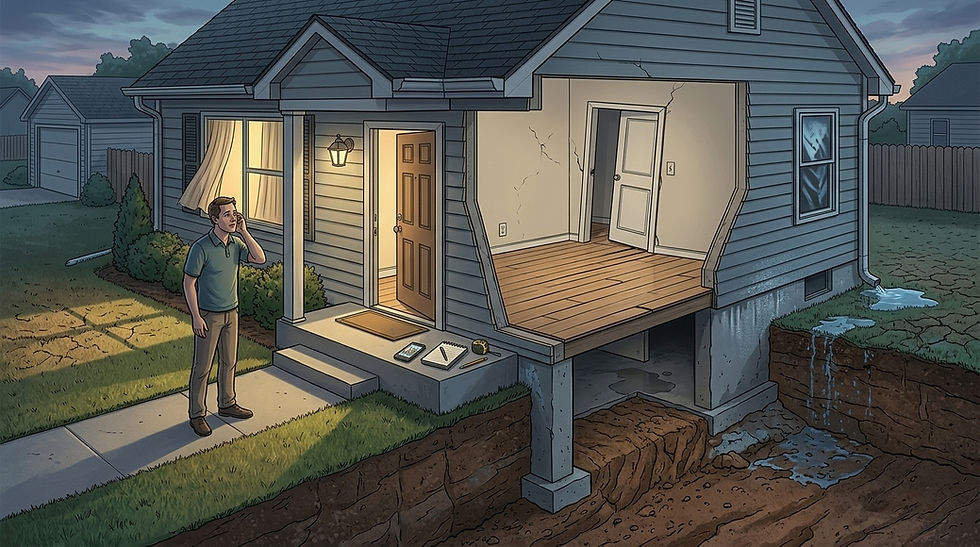
Before jumping into solutions, it’s helpful to understand why walls bow in the first place. Bowing walls usually happen because of pressure from the outside soil pushing against your foundation. This pressure can come from:
Water saturation: When soil around your home gets soaked, it expands and pushes harder against the walls.
Poor drainage: If water isn’t directed away from your foundation, it can pool and increase pressure.
Soil type: Clay soils, for example, expand and contract more than sandy soils.
Age and construction: Older foundations or those built without proper reinforcement are more vulnerable.
When this pressure builds up, your walls start to bend inward, which can lead to cracks, leaks, and even structural damage if left untreated. It’s not just an eyesore; it’s a sign that your home needs some serious attention.

Fixing Bowing Walls: What Are Your Options?
Now that you know what’s causing the problem, let’s talk about how to fix it. There are several methods, and the best one depends on the severity of the bowing and your home’s specific situation. Here are some of the most common and effective fixes:
1. Carbon Fiber Straps
This is a popular solution for minor to moderate bowing. Carbon fiber straps are strong, lightweight, and can be attached directly to the wall to reinforce it. They help hold the wall in place and prevent further movement.
Pros: Non-invasive, quick installation, cost-effective.
Cons: Doesn’t actually push the wall back, just stabilizes it.
2. Wall Anchors
Wall anchors are a more aggressive fix. They involve installing steel rods through the wall and anchoring them into the soil outside. By tightening these rods, the wall can be pulled back toward its original position.
Pros: Can correct moderate to severe bowing, long-lasting.
Cons: Requires excavation outside, more expensive.
3. Steel I-Beams
For serious cases, steel I-beams can be installed vertically inside the basement to support the wall. These beams act like braces, preventing further bowing.
Pros: Strong support, immediate stabilization.
Cons: Takes up space inside the basement, more visible.
4. Excavation and Wall Replacement
In extreme cases, the damaged wall might need to be removed and rebuilt. This is the most costly and invasive option but sometimes necessary for safety.
Pros: Permanent fix.
Cons: Expensive, time-consuming, disruptive.
Each of these methods has its place, and often a professional will recommend a combination based on your home’s needs.

Can You Fix a Bowing Wall?
You might be wondering, “Is this something I can handle myself?” The short answer: probably not. Fixing bowing walls is a structural repair that requires expertise, specialized tools, and often permits. DIY attempts can sometimes make the problem worse or lead to unsafe conditions.
That said, there are some things you can do to help prevent further damage while you arrange for professional help:
Improve drainage: Make sure gutters and downspouts direct water away from your foundation.
Reduce moisture: Use a dehumidifier in your basement to keep humidity low.
Inspect regularly: Keep an eye on cracks and bowing to catch changes early.
For the actual repair, it’s best to consult with a foundation expert who can assess the situation and recommend the right solution. They’ll also ensure the fix is permanent and backed by engineering standards.
Preventing Future Bowing: What Can You Do?
Fixing the wall is one thing, but preventing the problem from coming back is just as important. Here are some practical steps to protect your foundation:
Maintain proper grading: The ground around your home should slope away to prevent water pooling.
Install or repair gutters and downspouts: These help channel rainwater away from your foundation.
Use drainage systems: French drains or sump pumps can manage excess water.
Control vegetation: Large trees and shrubs near your foundation can affect soil moisture and pressure.
Regular inspections: Catching early signs of bowing or cracks can save you money and stress.
By staying proactive, you can keep your walls strong and your home safe.
When to Call in the Experts
If you notice any signs of bowing walls, don’t wait. Early intervention can save you from costly repairs down the line. Look for:
Cracks wider than a quarter inch
Walls that visibly lean or bulge inward
Doors and windows that stick or don’t close properly
Water leaks or dampness in the basement
At this point, it’s time to reach out to a professional foundation repair company. They’ll provide a thorough inspection and offer a tailored plan to fix your walls. Remember, a proper bowing walls fix is an investment in your home’s safety and value.
Fixing bowing walls might seem daunting, but with the right knowledge and help, you can tackle the problem head-on. Whether it’s carbon fiber straps, wall anchors, or more extensive repairs, there’s a solution that fits your home’s needs. Keep an eye on your foundation, act early, and you’ll keep your walls standing strong for years to come.


Comments