
Essential Steps in Foundation Repair
When you notice cracks in your walls or doors that won’t close properly, it’s easy to feel overwhelmed. Your home’s foundation is the base of everything, and any damage can feel like a big deal. But don’t worry. I’m here to walk you through the essential steps for foundation repair. You’ll learn what to look for, how to act, and what to expect from the process. Ready? Let’s dive in.
Recognizing the Signs: When to Take Action
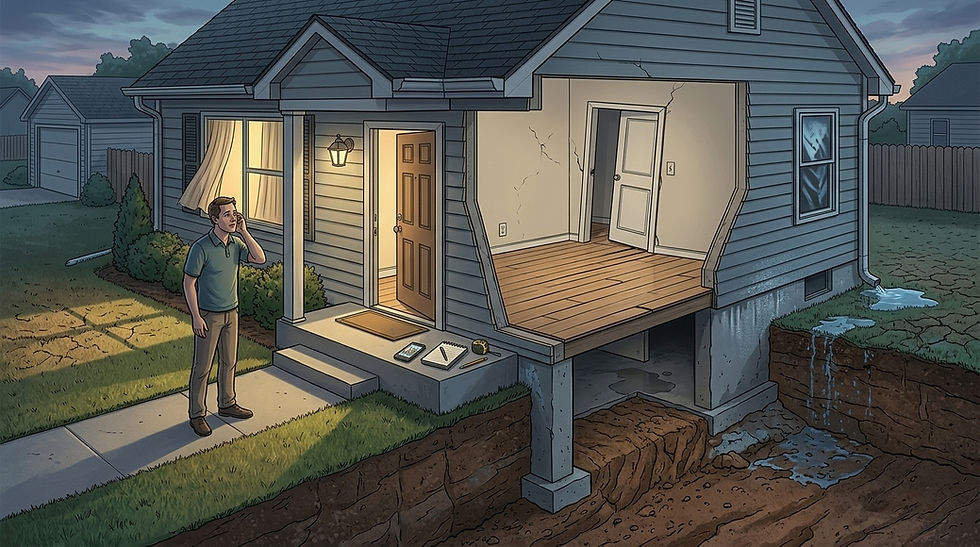
Before you can fix a problem, you need to know it exists. Foundation issues don’t always shout—they often whisper. Here are some common signs that your foundation might need attention:
Cracks in walls or ceilings: Hairline cracks are normal, but wide or growing cracks are a red flag.
Doors and windows sticking: If they suddenly don’t open or close smoothly, your foundation might be shifting.
Uneven floors: Noticeable slopes or dips can indicate settling.
Gaps around window frames or exterior doors: These gaps suggest movement in the structure.
Water pooling near the foundation: Excess moisture can weaken the soil supporting your home.
If you spot any of these, don’t wait. Early detection can save you thousands in repairs later.

Steps for Foundation Repair: What You Need to Know
Now that you know the signs, let’s talk about the steps involved in fixing the problem. Foundation repair isn’t a one-size-fits-all job. It requires careful assessment and a tailored approach. Here’s a breakdown of the typical process:
Inspection and Assessment
A professional will start by inspecting your home thoroughly. They’ll look at the cracks, measure the foundation’s movement, and check soil conditions. This step is crucial because it determines the root cause of the problem.
Soil Stabilization
Sometimes, the soil beneath your home shifts or erodes. Stabilizing the soil might involve adding moisture, compacting it, or improving drainage around your property.
Foundation Leveling
If your foundation has settled unevenly, it needs to be leveled. This often involves lifting the foundation back to its original position using hydraulic jacks or other equipment.
Installing Support Systems
To prevent future movement, support systems like piers or anchors are installed. These transfer the weight of your home to more stable soil or bedrock.
Repairing Cracks and Finishing Touches
After the foundation is stable, cracks in walls and floors are repaired. This step restores your home’s appearance and prevents water intrusion.
Ongoing Monitoring and Maintenance
Foundation repair isn’t always a one-time fix. Regular check-ups help catch any new issues early.
Each step requires expertise and the right tools. That’s why hiring a trusted professional is so important.

What is the Best Method for Foundation Repair?
You might be wondering, “What’s the best method for foundation repair?” The truth is, it depends on your home’s specific situation. Here are some common methods and when they work best:
Pier and Beam Repair
This method uses steel or concrete piers driven deep into the ground to support the foundation. It’s ideal for homes with significant settling or shifting.
Slabjacking (Mudjacking)
This involves pumping a grout mixture under a sunken concrete slab to lift it back into place. It’s a cost-effective option for minor settling.
Polyurethane Foam Injection
A newer technique where expanding foam is injected under the foundation to lift and stabilize it. It’s fast, clean, and less invasive.
Underpinning
This method strengthens the existing foundation by extending it to more stable soil. It’s used when the original foundation is weak or damaged.
Choosing the right method depends on factors like soil type, foundation material, and the extent of damage. A professional inspection will guide you to the best solution.

Why Timely Foundation Repair Matters
You might think, “Can’t I just wait and see if the problem gets worse?” Here’s why acting quickly is crucial:
Prevent further damage: Foundation issues tend to worsen over time, leading to costly repairs.
Protect your investment: Your home is likely your biggest asset. Keeping the foundation sound preserves its value.
Ensure safety: A compromised foundation can affect the structural integrity of your home.
Avoid mold and water damage: Cracks and gaps can let moisture in, causing mold growth and wood rot.
Taking prompt action not only saves money but also gives you peace of mind.
How to Choose the Right Foundation Repair Company
Finding the right company can feel like a challenge. Here are some tips to help you make a confident choice:
Look for local expertise: Companies familiar with Texas soil and climate conditions understand the unique challenges in the DFW area.
Check reviews and references: See what other homeowners say about their experience.
Ask about warranties: A reliable company stands behind its work with solid guarantees.
Request a detailed estimate: Make sure you understand the scope of work and costs upfront.
Verify licensing and insurance: This protects you and your property during the repair process.
Remember, foundation repair is an investment in your home’s future. Choose a company that values quality and trust.
If you want to explore professional options, check out foundation repair services that offer advanced solutions tailored for Texas homes.
Keeping Your Foundation Healthy Long-Term
Once your foundation is repaired, maintaining it is key. Here are some simple steps you can take:
Manage water drainage: Keep gutters clean and direct downspouts away from the foundation.
Control landscaping: Avoid planting large trees too close to your home.
Monitor for new cracks: Regularly inspect your walls and floors.
Maintain consistent soil moisture: In Texas, droughts and heavy rains can cause soil to expand and contract. Using soaker hoses during dry spells can help.
By staying proactive, you protect your home and avoid future headaches.
Foundation repair might seem daunting, but with the right knowledge and help, you can tackle it confidently. Remember, your home deserves a strong, stable base. Take the first step today and secure your investment for years to come.


Comments